Dr. Kenny Is A Blessing and Incarnation of Humanity in Novel Nectar in A Sieve

In Kamala Markandaya’s Nectar in a Sieve, Dr. Kenny is a Blessing and incarnation of humanity in novel Nectar in A Sieve.
Read moreCharacter Sketch of Nathan in Novel Nectar in a Sieve
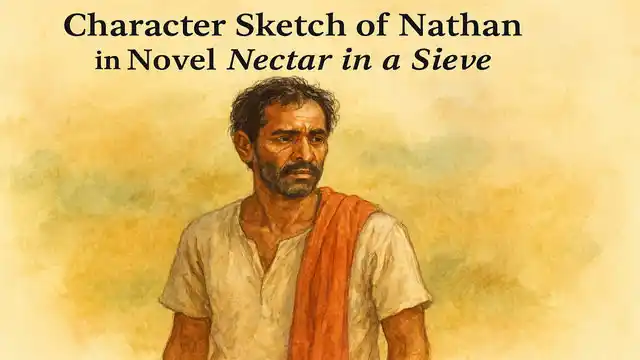
Kamala Markandaya has depicted character sketch of Nathan in novel Nectar in a Sieve with great skill. In Kamala Markandaya’s novel Nectar in a Sieve, Nathan stands as a central figure whose quiet strength and unwavering resilience shape the emotional and moral backbone of the story.
Read moreCharacter Sketch of Rukmani in Novel Nectar in a Sieve
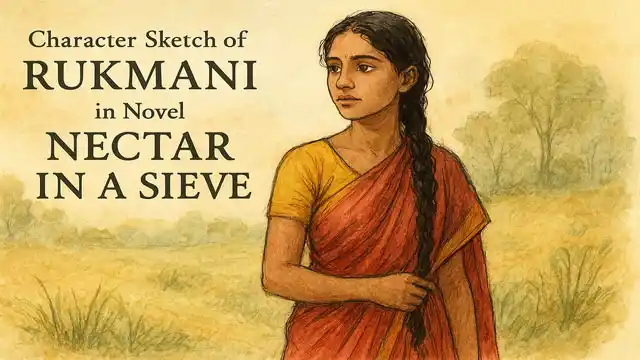
Kamala Markandaya has remarkably depicted character sketch of Rukmani in novel Nectar in a Sieve. Rukmani, the central protagonist of Kamala Markandaya’s Nectar in a Sieve, stands as a poignant symbol of endurance amid poverty, change, and loss.
Read moreCultural Encounter Between East and West in Nectar in a Sieve
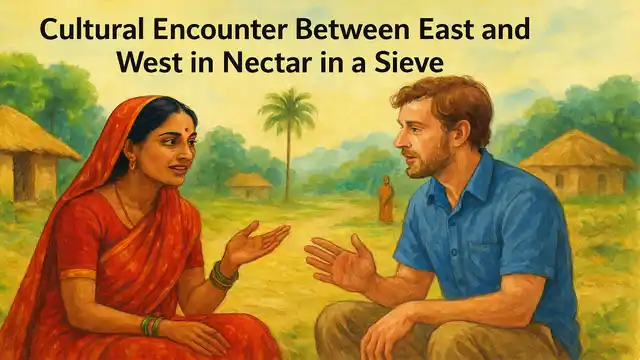
We find the cultural encounter between East and West in Nectar in a Sieve during the period of colonial and early post-colonial India.
Read morePoetic Style in the poetry of Kamala Das

Poetic Style in the poetry of Kamala Das reveals an impressive mastery of English, handled with striking ease and confidence.
Read more“Our Casuarina Tree” by Toru Dutt, Summary and Critical Appreciation
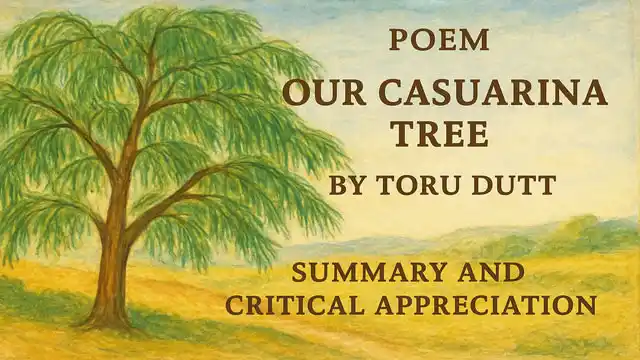
Our Casuarina Tree is one of Toru Dutt’s most admired and enduring poems. It appears in Ancient Ballads and Legends of Hindustan, Part II, accompanied by six other poems in the same collection.
Read more“O Fool To Try To Carry Thyself” (Poem 10 in Gitanjali) by R.N. Tagore, Summary and Critical Analysis
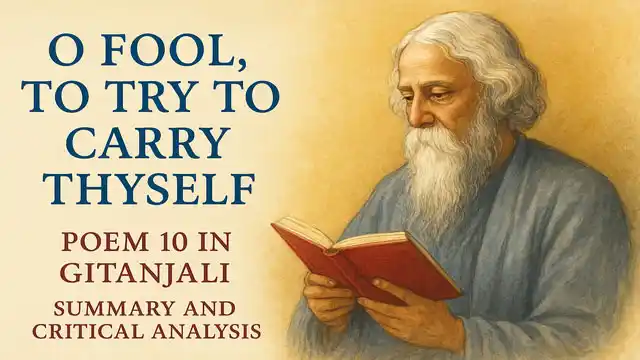
Poem 10 of Gitanjali, beginning with the line “O Fool to try to carry thyself”, is one of Rabindranath Tagore’s most striking allegorical pieces. In this brief yet profound lyric, Tagore addresses the human tendency toward ego, self-reliance pushed to absurdity, and the illusion of control.
Read more“The Child Who Is Decked with Prince’s Robes” ( Poem 8 in Gitanjali), Summary and Critical Analysis
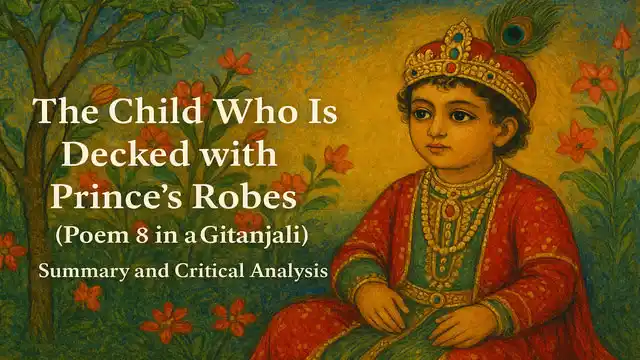
Poem 8 of Rabindranath Tagore’s Gitanjali, titled “The Child Who Is Decked with Prince’s Robes”, is a lyrical and symbolic meditation on spiritual humility and the limitations of material pride.
Read more“Here Is Thy Footstool” (Poem 9 in Gitanjali by R.N Tagore) Summary and Critical Analysis

The poem “Here Is Thy Footstool” Poem 9 in Gitanjali is a deeply devotional work. It teaches that we must never despise the poor, the downtrodden, or the unfortunate, for it is among them that God dwells.
Read more“Poem Harvest Hymn” by Sarojini Naidu, Summary and Critical Analysis
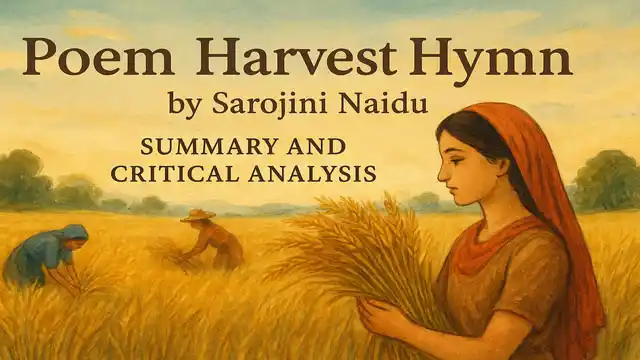
Poem Harvest Hymn is a short, devotional lyric poem by Sarojini Naidu, one of India’s most celebrated poets and freedom fighters. The poem is a collective prayer offered by farmers to the divine forces of nature.
Read more