Chaucer’s Treatment of Humour, Satire and Irony in The Prologue to the Canterbury Tales
The Prologue to The Canterbury Tales is one of the finest achievements of medieval English literature, in which Geoffrey Chaucer presents a vivid and realistic picture of fourteenth-century English society.
Read moreChaucer’s Ecclesiastical characters in The Prologue to the Canterbury Tales

Chaucer's ecclesiastical characters in the The Canterbury Tales Prologue occupy a significant place in his vivid portrayal of fourteenth-century English society.
Read moreCharacter Sketch of the Knight, the Friar, the Wife of Bath in The Prologue to the Canterbury Tales
Chaucer's The Prologue to The Canterbury Tales is a vivid picture of fourteenth-century English society, presented through a diverse group of pilgrims travelling to the shrine of Saint Thomas Becket at Canterbury. Among these pilgrims, the Knight, the Friar, and the Wife of Bath are three of the most memorable and representative characters.
Read moreChaucer’s Characters: Timeless Creations and Universal Representatives of Human Nature
Chaucer, often regarded as the father of English poetry, achieved lasting fame through his remarkable portrayal of human character in The Canterbury Tales.
Read moreCharacter-Sketch of Lord Baron in The Rape of Lock
In Alexander Pope’s The Rape of the Lock, Lord Baron is one of the central male characters whose actions set the entire plot in motion.
Read moreHenry Fielding’s Tom Jones as a Picaresque Novel
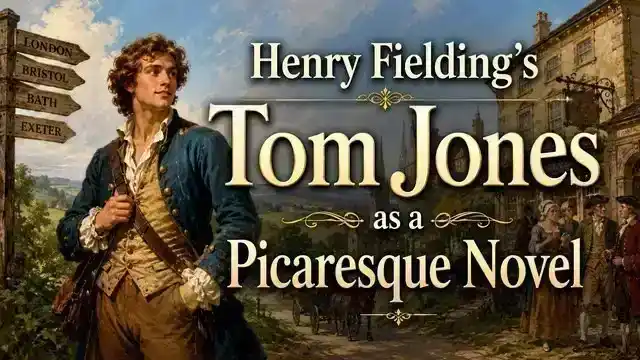
Henry Fielding’s Tom Jones is widely regarded as one of the finest examples of the picaresque novel in English literature.
Read moreA Brief Note on the Cave of Spleen in The Rape of the Lock
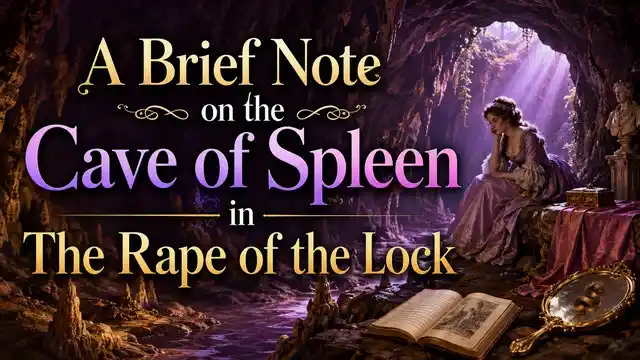
Pope's The Rape of the Lock is a mock-heroic epic. It observes all the qualities of a classical epic. In a classical epic, the poet narrates strange experiences. He tells about visits to strange places. In this epic, Pope introduces the cave of Spleen as a strange place.
Read moreHenry Fielding’s Tom Jones: A Perfect Comic Epic in Prose
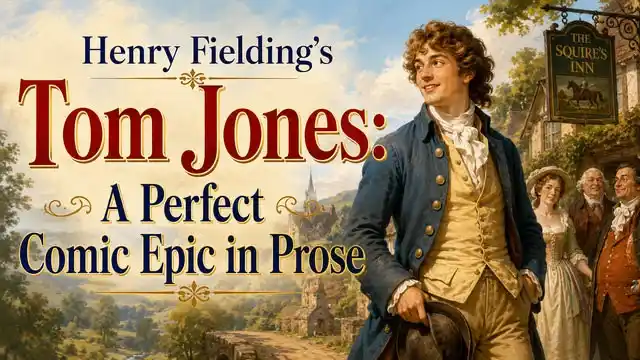
Tom Jones by Henry Fielding is widely regarded as one of the greatest achievements of eighteenth-century English fiction and a perfect example of the “comic epic in prose.”
Read moreCharacter-Sketch of Belinda in The Rape of the Lock
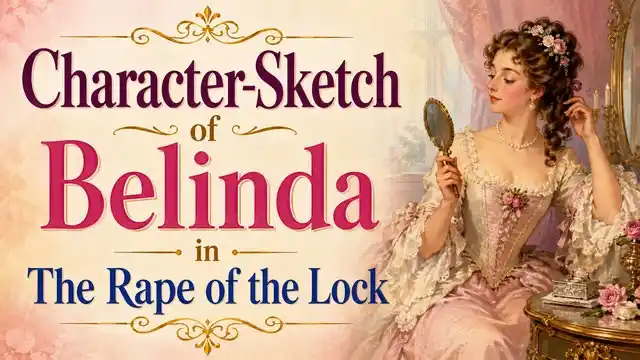
In The Rape of the Lock, Belinda is presented as the charming, fashionable, and aristocratic lady who represents the beauty and artificiality of eighteenth-century high society.
Read moreAlexander Pope’s Mastery of the Heroic Couplet in The Rape of the Lock
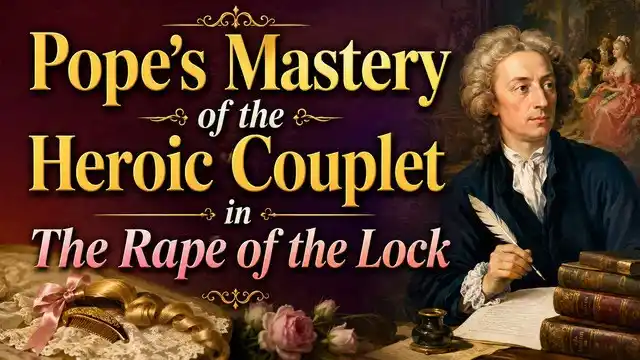
Alexander Pope is one of the greatest masters of the heroic couplet in English literature, and The Rape of the Lock stands as a brilliant example of his poetic craftsmanship.
Read more