Henry Fielding’s Tom Jones as a Picaresque Novel
Henry Fielding’s Tom Jones is widely regarded as one of the finest examples of the picaresque novel in English literature.
Read moreHenry Fielding’s Tom Jones: A Perfect Comic Epic in Prose
Tom Jones by Henry Fielding is widely regarded as one of the greatest achievements of eighteenth-century English fiction and a perfect example of the “comic epic in prose.”
Read moreCharacter Sketch of Peter Walsh in the Novel Mrs. Dalloway
After studying the story of the novel 'Mrs. Dalloway' written by Virginia Woolf we find that Peter Walsh is a very important character after Mrs. Clarissa Dalloway.
Read moreCharacter-Sketch of Clarissa Dalloway in the Novel Mrs. Dalloway
After making a close and serious study of the story of the novel 'Mrs. Dalloway' written by Virginia Woolf, we find that Clarissa Dalloway is not only the central character as the heroine of the story but she shows her attachment more with Peter Walsh than to her husband, Richard Dalloway.
Read moreThe Tragic Conflict between Man and Destiny in The Mayor of Casterbridge by Thomas Hardy
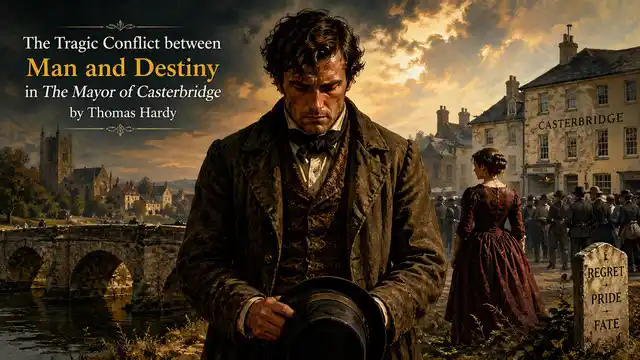
In The Mayor of Casterbridge, Thomas Hardy presents a powerful and tragic vision of human life as a constant struggle between individual will and the forces of destiny.
Read moreRole of Chance in The Mayor of Casterbridge
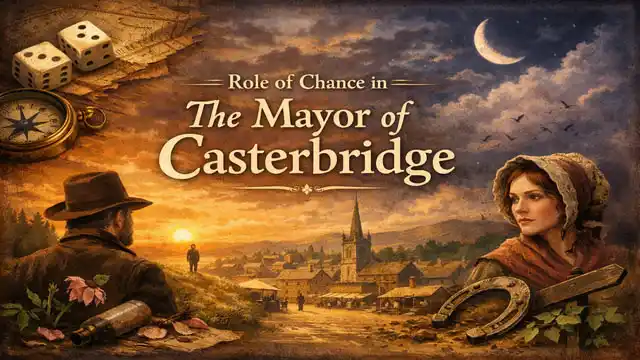
There is role of chance in The Mayor of Casterbridge. The Mayor of Casterbridge, written by Thomas Hardy, is a powerful tragic novel in which chance and coincidence play a decisive role in shaping the destiny of the protagonist, Michael Henchard.
Read moreIrony in Novel Pride and Prejudice by Jane Austen
It is clear that we find irony in novel Pride and Prejudice by Jane Austen. Jane Austen’s Pride and Prejudice is widely celebrated not only for its sharp social commentary and memorable characters but also for its masterful use of irony.
Read moreTheme of Love and Marriage in Pride and Prejudice

We find theme of Love and Marriage in Pride and Prejudice. Pride and Prejudice is not only a social comedy of manners but also a profound exploration of love and marriage in early nineteenth-century England.
Read moreNovel Pride and Prejudice— Jane Austen’s Limited Range or World
Jane Austen's view of life is not extensive. She paints pictures of that life which she sees at close range. The secret of her power lies in the complete mastery she has, as an artist, over her material.
Read moreVictorian Tendencies Reflected in Oliver Twist by Charles Dickens
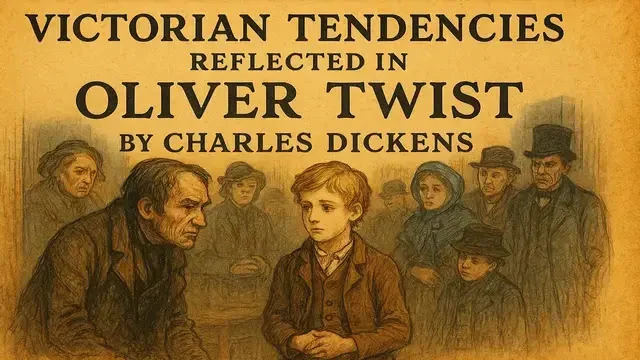
Charles Dickens’ novels are renowned for their strong element of social criticism, and Oliver Twist is no exception. Reflecting Victorian tendencies, Dickens avoids abstract imagination and grounds his fiction in the harsh realities of mid-nineteenth-century society.
Read more