Ode on A Grecian Urn— Keats’ Philosophy and Medievalism
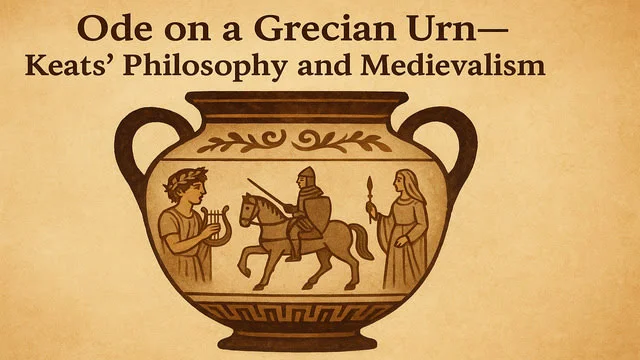
In this great ode, Keats presents an ideal philosophy of beauty based on truth. The urn represents it. The urn has a Grecian shape. It attracts the poet very much. It presents two lively pictures engraved on the urn. The pictures have the blessing of eternity.
Read moreNovel Pride and Prejudice— Jane Austen’s Limited Range or World
Jane Austen's view of life is not extensive. She paints pictures of that life which she sees at close range. The secret of her power lies in the complete mastery she has, as an artist, over her material.
Read moreLove, Marriage and Woman in Tennyson’s Poetry
Tennyson is also a great love-poet, and his treatment of love is unique in many ways. He is primarily and mainly a poet of conjugal love.
Read moreStory “The Luncheon”— Comic Satire, Humour, Summary and Critical Analysis
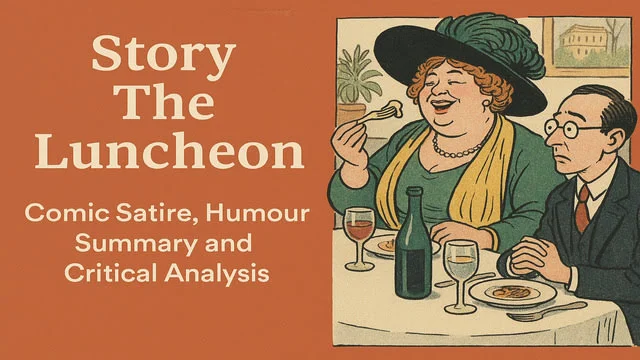
"The Luncheon” is a comedy of character and situation. It is a comic satire on gluttony. It also presents a mild satire on youthful vanity and social hypocrisy.
Read moreBlending of Romance and Realism in The Tempest by Shakespeare
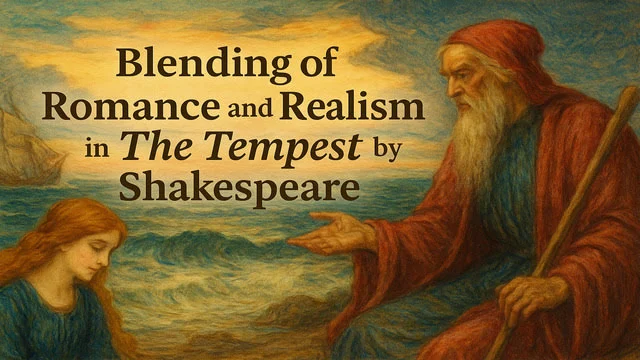
“The Tempest” is a romance. There is a blending of romance and realism in the Tempest. It is a separate category of plays.
Read moreVictorian Tendencies Reflected in Oliver Twist by Charles Dickens
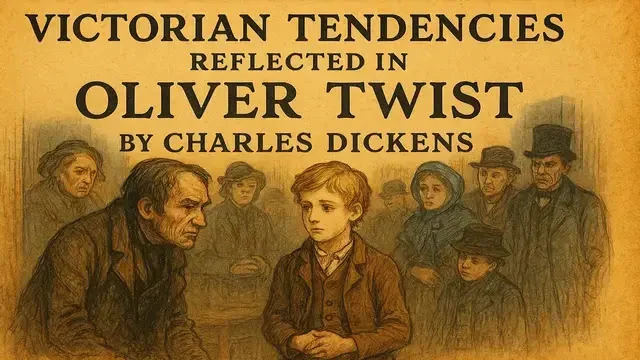
Charles Dickens’ novels are renowned for their strong element of social criticism, and Oliver Twist is no exception. Reflecting Victorian tendencies, Dickens avoids abstract imagination and grounds his fiction in the harsh realities of mid-nineteenth-century society.
Read moreJoseph Addison As An Essayist and Characteristics of His Essays

Joseph Addison as an essayist occupies a very important place as an essayist and social reformer. He is a great 18th century writer.
Read moreSupernatural Elements (Witches) Responsible for Macbeth’s Tragedy
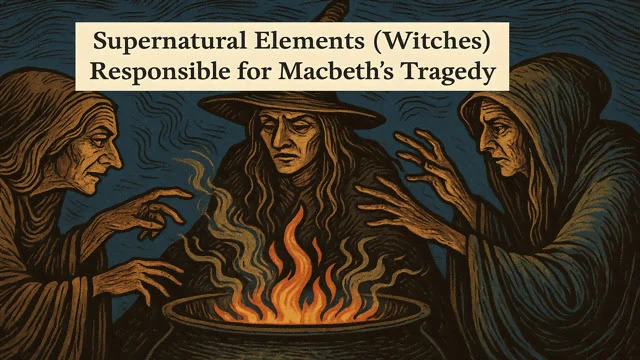
Macbeth, like several of Shakespeare's plays, contains supernatural figures in the witches and ghosts it introduces. These produce an atmosphere of fate and mystery. But the tragic action of Macbeth is not influenced by their presence. That action is the outcome of passion and emotions struggling in the hearts of its characters.
Read moreJack London’s Short Story “To Build A Fire”—Theme, Summary and Analysis
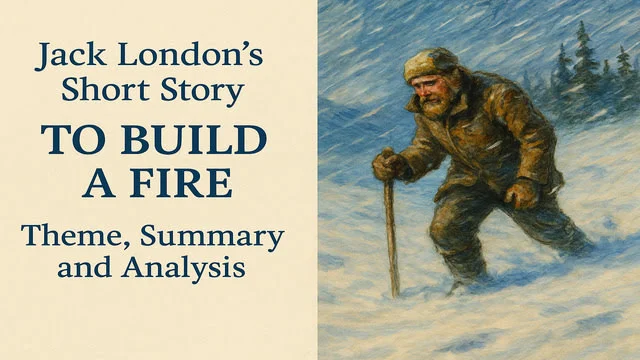
“To Build A Fire” is a short story by American author Jack London. There are two versions of this story, one published in 1902 and the other in 1908. The story written in 1908 has become an often anthologized classic, while the 1902 story is less well - known.
Read morePlay Justice by Galsworthy | Importance of the Trial Scene | the Trial of Falder
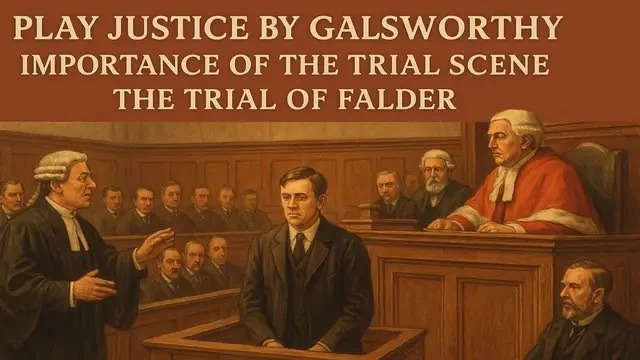
The trial of Falder is the central and most momentous part of the action of the play. The Second Act is the scene of a court. It is the most dominant and important scene of the play. In the trial scene of Falder, Galsworthy expresses his views on the contemporary legal system and Judicial procedure in England.
Read more