Mysticism in the Poetry of Rabindranath Tagore
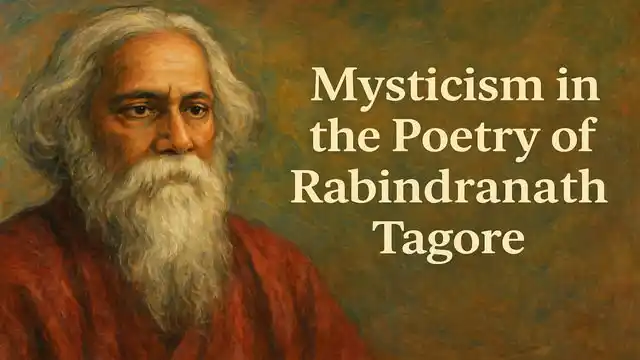
“Mysticism in the Poetry of Rabindranath Tagore” highlights his search for an immediate, intuitive, and deeply personal communion with the Divine—the universal spirit or ultimate truth—revealed through the richness of human experience, the beauty of nature, and everyday relationships.
Read more“Thou Hast Made Me Endless” (Poem No. 1 in Gitanjali), Summary and Critical Appreciation
“Poem No. 1—Thou Hast Made Me Endless” serves as the opening work of Rabindranath Tagore’s celebrated collection Gitanjali (Song Offerings).
Read more“When Thou Commandest Me” (Song No. 2 of Gitanjali), Summary and Critical Appreciation
“When Thou Commandest Me,” the second song/poem in Rabindranath Tagore’s Gitanjali, expresses the poet’s deep spiritual devotion and his readiness to serve the divine.
Read moreKamala Das As A Confessional Poet

Kamala Das as a confessional poet stands as one of the most powerful and unmistakably confessional voices in modern Indian English poetry.
Read moreSense of Alienation and Isolation in the Poetry of Kamala Das
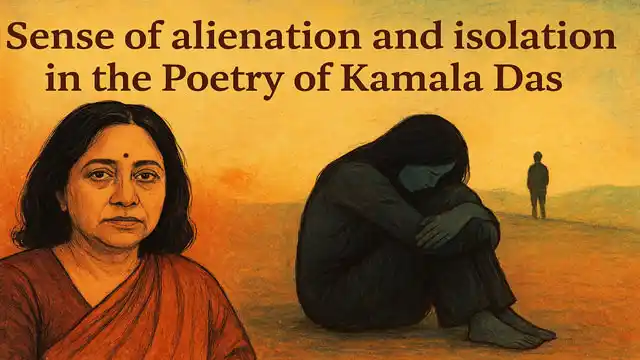
Sense of alienation and Isolation in the Poetry of Kamala Das is pervasive.
Read moreKamala Das Is Regarded the Poet of Feminine Sensibility
Kamala Das Is regarded the poet of feminine sensibility. She is often celebrated as the voice of feminine sensibility, a poet who boldly challenges the rigid conventions and traditions imposed by society.
Read moreThemes of Love and Sex in the Poetry of Kamala Das

We find themes of love and sex in the poetry of Kamala Das. Her poetry explores the intricate, often painful dynamics of love, sex, and identity, challenging the patriarchal norms that confined women to silence and submission.
Read moreRebellious attitude of Kamala Das against the restrictive norms of a patriarchal society
Rebellious attitude of Kamala Das against the restrictive norms of a patriarchal society is found in her poetry. She stands out for her bold defiance of social, cultural, and patriarchal conventions.
Read morePlay Tughlaq Is A Political Allegory
Girish Karnad's play Tughlaq is a political allegory, using the historical figure of Sultan Muhammad bin Tughlaq to comment on the political landscape of 1960s India.
Read moreContrasts and Opposites in the Play Tughlaq by Girish Karnad
There are contrasts and opposites in the Play Tughlaq by Girish Karnad. Girish Karnad’s Tughlaq presents a striking tension between the ideal and the real, capturing the clash between the Sultan’s lofty vision and the grim political circumstances of his reign.
Read more