Thomas Hardy, A Poet of Love and Pangs

Thomas Hardy, a poet of love and pangs (1840–1928), one of the most significant literary figures of the Victorian and early Modernist eras, is remembered not only for his powerful novels but also for his deeply moving poetry.
Read morePessimism, Melancholy and Sadness in poetry of Thomas Hardy
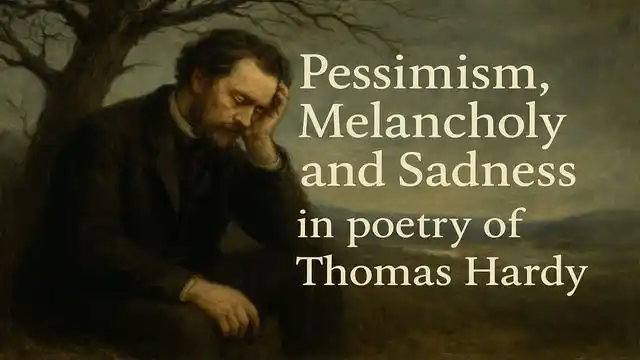
His poems are imbued with a sense of pessimism, melancholy, and sadness, stemming from his philosophical outlook on life and his keen observation of human suffering.
Read more“On His Blindness” by Milton, Summary and Critical Appreciation

John Milton’s “On His Blindness” is an Italian (Petrarchan) sonnet, differing in form from the English sonnet.
Read moreSonnet 65 “Time and Love” by Shakespeare Summary and Critical Appreciation
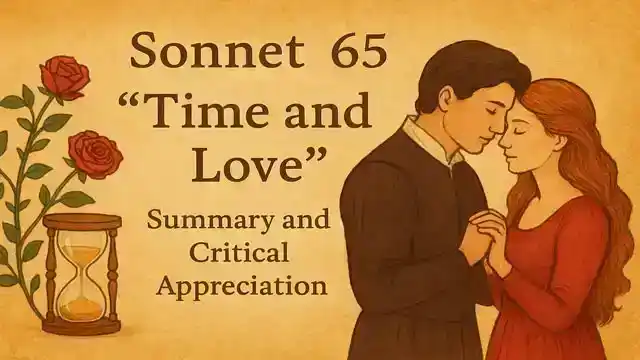
Shakespeare’s Sonnet 65, often titled “Time and Love,” is one of his finest reflections on the power of time and the endurance of true love.
Read moreTheme of Love in Poetry of W.H. Auden
In Auden poetry, there is theme of love. Throughout the development of his poetic genius, theme of love is seen closely associated with the ideas.
Read moreSonnet 116 “True Love” by Shakespeare, Summary and Critical Appreciation
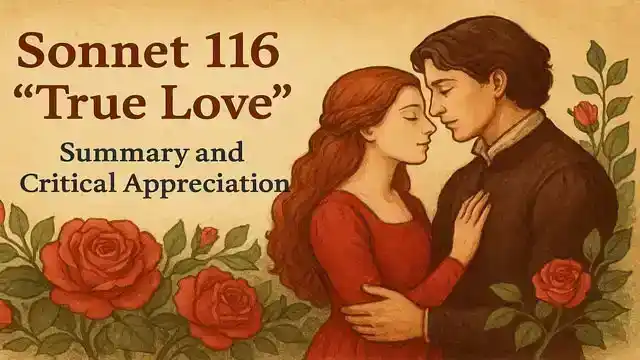
Shakespeare’s Sonnet 116, often titled “True Love”, is one of his most celebrated poems on the nature of love. Addressed to Mr. W.H., the sonnet “True Love” explores the enduring and unchanging essence of genuine love.
Read more“On the Massacre” by Milton, Summary and Critical Appreciation
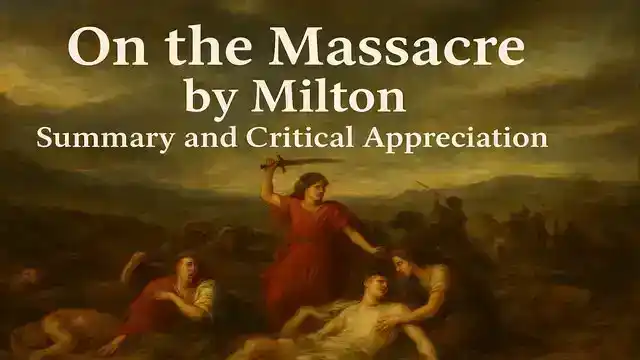
John Milton’s sonnet “On the Massacre in Piedmont” is inspired by a tragic historical event. In April 1655, the Duke of Savoy ordered the brutal massacre of around 400 people in Piedmont, who were persecuted for rejecting the traditional Roman Catholic faith.
Read more“The Tyger” by William Blake, Summary and Critical Appreciation
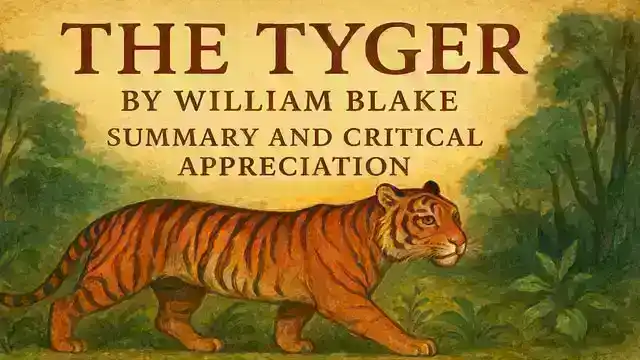
William Blake’s “The Tyger” is best understood in contrast with his companion poem “The Lamb.” While the lamb represents innocence, gentleness, and the beauty of God in His tender aspect, the tiger embodies a more complex and awe-inspiring vision of divinity.
Read more“The Lamb” by William Blake, Summary and Critical Analysis

William Blake’s “The Lamb”, one of the most celebrated lyrics from “Songs of Innocence”, captures the essence of purity, simplicity, and childlike faith.
Read morePoem “Shakespeare” by Matthew Arnold—Summary and Critical Analysis
This sonnet "Shakespeare" is one of the best tributes ever paid to Shakespeare. It was composed in 1844.
Read more