The Role of Supernatural Machinery in Alexander Pope’s The Rape of the Lock
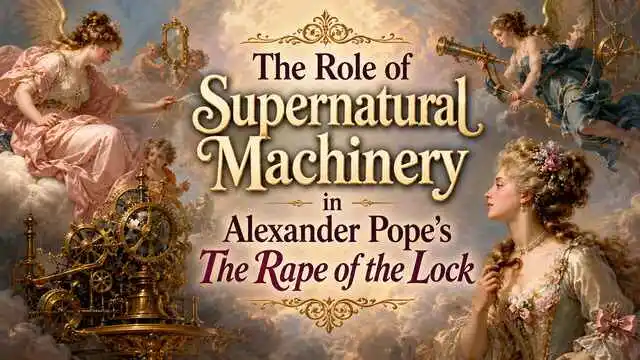
The Rape of the Lock by Alexander Pope is one of the finest mock-epic poems in English literature, written with the purpose of satirizing the fashionable society of the eighteenth century.
Read moreRealism in Chaucer’s Prologue to The Canterbury Tales
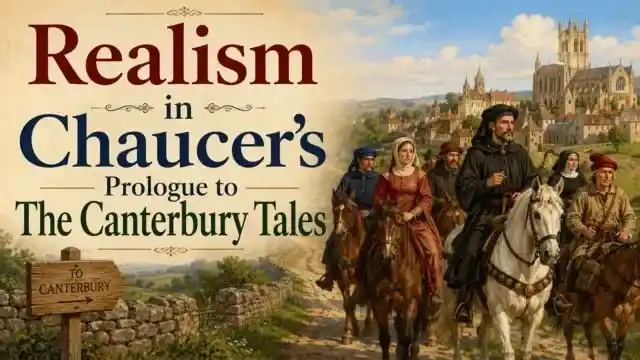
In “Realism in Chaucer’s Prologue to The Canterbury Tales,” Geoffrey Chaucer presents a true picture of life by describing people from different social classes with remarkable accuracy and detail.
Read moreChaucer’s Prologue to The Canterbury Tales: A Blend of Medieval and Modern Elements
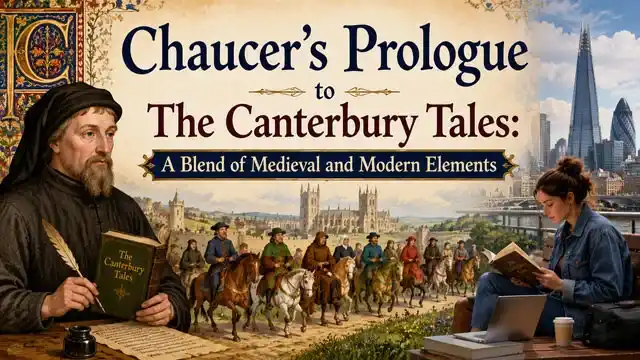
Geoffrey Chaucer’s Prologue to The Canterbury Tales is a remarkable literary work that presents a vivid picture of fourteenth-century English society.
Read moreThe Prologue to The Canterbury Tales As A Mirror of Fourteenth-Century English Society
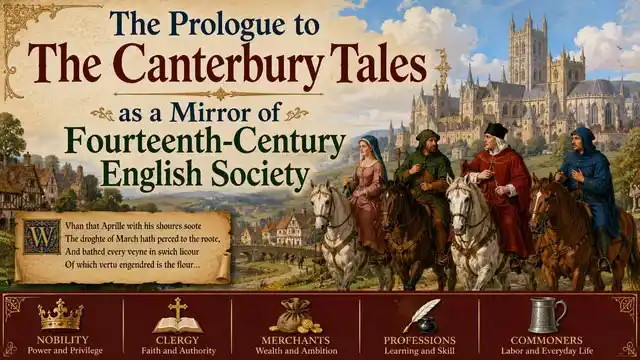
The Prologue to The Canterbury Tales by Geoffrey Chaucer is regarded as a true mirror of fourteenth-century English society.
Read moreContribution of Chaucer to the Development of English Poetry
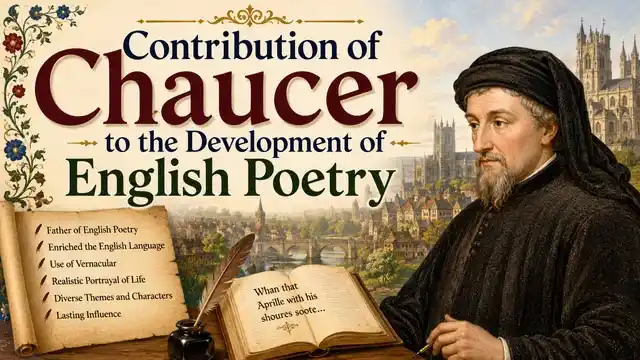
Chaucer was not only a poet but a soldier as well. In 1359-1360, as a soldier he served in France during the Hundred Year's War.
Read moreWilliam Blake Is A Representative Poet of the New Age
William Blake is a representative of the new age in the congenital enthusiasm of his temperament, his exquisite appreciation of beauty his passion for freedom, the largeness of his vision, the fascination
Read moreW. B. Yeats A Prominent Poet of the Modern Age
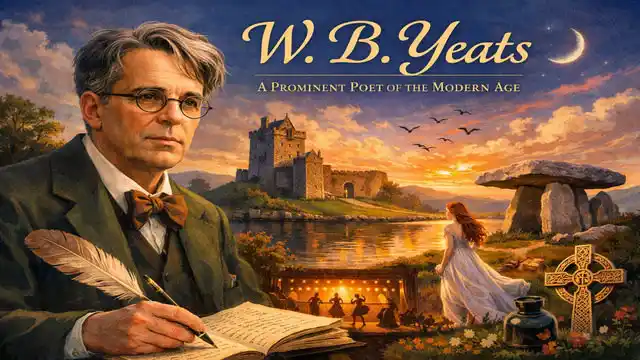
W. B. Yeats a prominent poet of the modern age harnessed his pen in the service of poetry for nearly fifty years.
Read moreSailing to Byzantium by Yeats, Summary and Critical Analysis

The poem “Sailing to Byzantium” appears in Yeats’s collection The Tower, published in 1928.
Read moreThe Wanderer by Auden, Summary and Critical Analysis
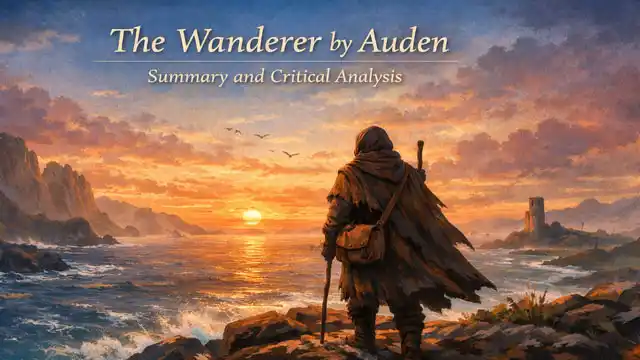
“The Wanderer” by W. H. Auden is a modern poem that draws inspiration from the Old English elegiac tradition, particularly the anonymous Anglo-Saxon poem of the same name.
Read moreThe Unknown Citizen by W.H. Auden, Summary and Critical Analysis

“The Unknown Citizen,” a lightly satirical lyric, first appeared in The Listener in August 1939 and was later reprinted in The Collected Shorter Poems (1950).
Read more