Character-Sketch of Millamant in The Way of the World by William Congreve
In The Way of the World, Millamant is one of the most fascinating and memorable female characters created by William Congreve. She represents the wit, elegance, charm, and sophistication of Restoration society.
Read moreThe Way of the World: The Proviso Scene as an Ideal of Harmonious Married Life and Comic Wit
The Way of the World is one of the finest comedies of manners in English literature, celebrated for its brilliant wit, refined dialogue, and realistic portrayal of aristocratic society. Among its most remarkable episodes, the Proviso Scene in Act IV stands out as the emotional and intellectual centre of the play.
Read more‘The Way of the World’ by William Congreve As A Comedy of Wit
"The Way of the World" is regarded as one of the finest Restoration comedies and a perfect example of a comedy of wit.
Read moreElement of Humour in the Play ‘The Way of the World’
The play The Way of the World is famous for its brilliant wit, lively dialogue and rich element of humour.
Read moreSatire on Folly, Affectation and Hypocrisy in The Way of the World by William Congreve
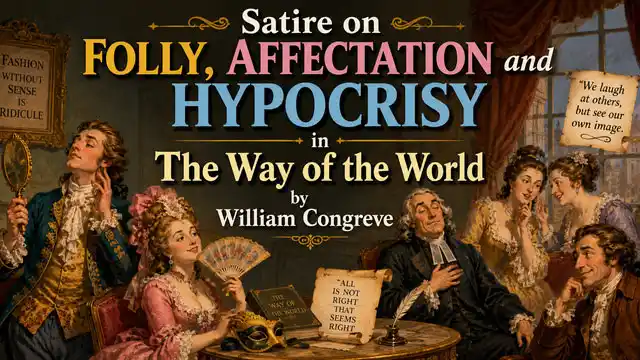
Through witty dialogues, humorous situations, and realistic characters, William Congreve in The Way of the World exposes the folly, affectation, and hypocrisy of the upper-class people of his age.
Read moreDr. Faustus as a Classical Tragic Hero
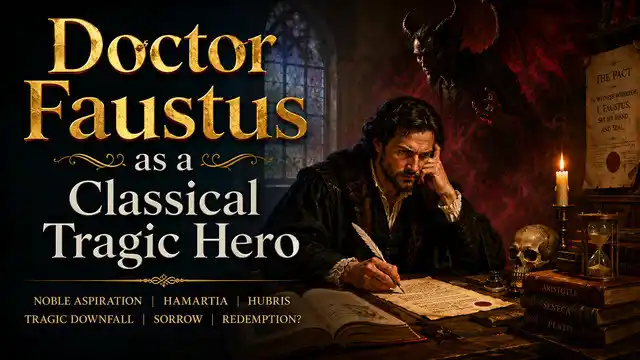
In the tradition of classical tragedy, Dr. Faustus possesses the qualities of a tragic hero: he is a man of extraordinary talent and learning, yet he is ruined by his tragic flaw, namely his pride and overreaching ambition.
Read moreComic Elements and Humour in Doctor Faustus
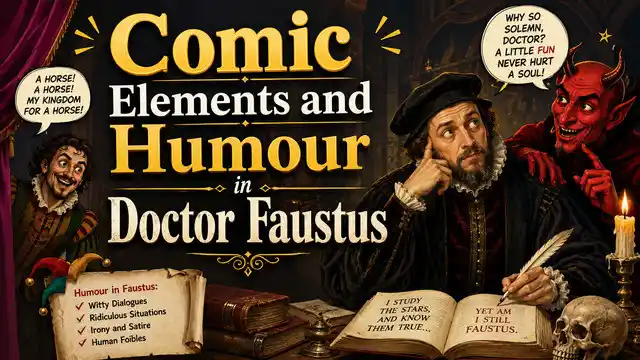
Doctor Faustus is not only a tragic drama of ambition, sin, and downfall, but also a play rich in comic elements and humour.
Read moreIn The Study of Poetry, Matthew Arnold’s Touchstone Method: A Critical Evaluation of His Literary Standards
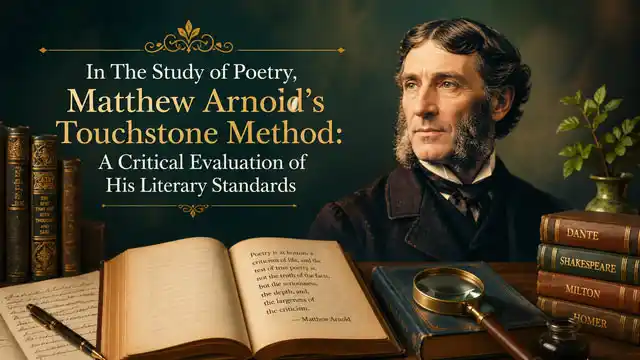
In his celebrated essay The Study of Poetry, Arnold proposes the “Touchstone Method” as a means of evaluating poetic excellence by comparing passages from lesser works with selected lines from acknowledged masterpieces.
Read moreMatthew Arnold’s Poetic Theory in The Study of Poetry: An Analytical Account
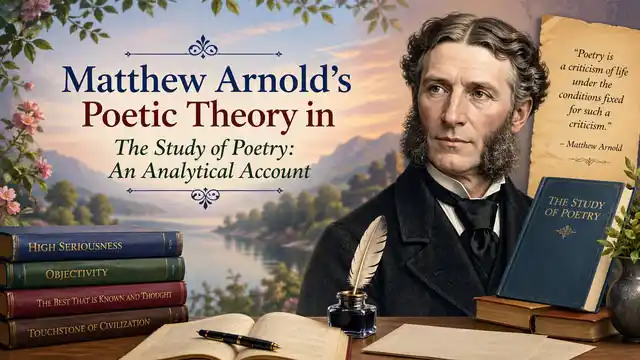
Matthew Arnold is a great literary critic. In 'The Study of Poetry' he evaluates a few poets and during the process brings to light some very important principles of literary criticism and theories of poetry.
Read moreThe Study of Poetry: Matthew Arnold’s Evaluation of Geoffrey Chaucer’s Poetic Greatness
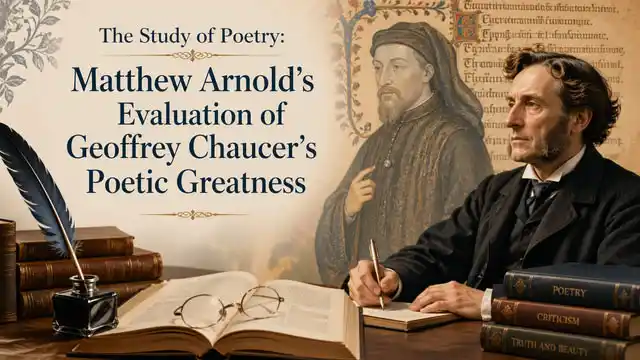
Matthew Arnold’s essay The Study of Poetry stands as one of the most influential works of Victorian literary criticism, in which he attempts to establish clear standards for judging poetic excellence. In this critical framework, Arnold evaluates the greatness of earlier poets, including Geoffrey Chaucer, often regarded as the “Father of English Poetry.”
Read more